
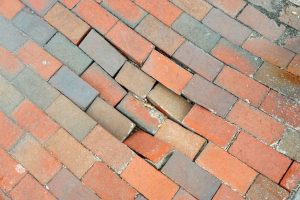
Brick pavers are designed to create durable, attractive patios, walkways, driveways, and other outdoor spaces. Over time, however, some sections may begin to sink, shift, or hold water after rain. These changes can occur gradually, making them easy to overlook at first.
Uneven pavers are more than an appearance issue. They can affect drainage, create unstable walking surfaces, and make an otherwise well-maintained outdoor area look worn. Understanding why these problems happen can help homeowners recognize when brick paver restoration may be needed.
Why Do Brick Pavers Start to Sink?
Brick pavers rely on a properly prepared base underneath them for support. Over time, that base material can settle or shift, causing individual pavers or entire sections to sit lower than the surrounding surface.
Rain, changing weather conditions, regular foot traffic, and normal ground movement can all contribute to settling. When the base underneath a section no longer provides even support, the pavers above it may begin to sink.
The problem may start with only one or two bricks, but nearby sections can also become affected if the underlying issue continues.
Shifting Pavers Can Create Uneven Surfaces
Pavers can also move horizontally or become misaligned over time. Joint sand helps support the system, but rain and weather can gradually wash that material away. As joints lose material, there may be more room for pavers to move.
A shifting walkway or patio can begin to look uneven, with wider gaps or raised edges developing between individual bricks. These changes may also make the surface less comfortable to walk across.
Regular brick paver cleaning and maintenance can help identify loose joint material and other signs of wear before they become more noticeable.
Low Areas Can Start Holding Water
One of the easiest signs of sinking pavers to spot is standing water. When part of a patio or walkway settles lower than the surrounding area, rainwater may collect instead of draining away.
Repeated puddling can make the area less enjoyable to use and may encourage moss or other organic growth. Damp areas can also stay dirty longer and create green or discolored sections that stand out from the rest of the surface.
If water repeatedly collects in the same spot after rain, the problem may be related to the alignment of the pavers rather than surface dirt alone.
Uneven Pavers Can Affect Safety
Raised edges and sunken sections can also become tripping hazards, particularly on frequently used walkways, patios, and entrances.
Because settling often happens slowly, homeowners may become accustomed to stepping around a problem area without realizing how noticeable it is to guests or visitors. Addressing uneven sections can help restore a smoother, more consistent walking surface.
Can Sunken Pavers Be Restored?
Uneven pavers do not always mean an entire patio or walkway needs to be replaced. In many cases, specific problem sections can be corrected through a lift-and-level process.
This typically involves removing the affected pavers, correcting or rebuilding the base beneath them, and reinstalling the pavers at the proper height. The goal is to restore better alignment by addressing the underlying issue rather than simply covering it up.
Depending on the overall condition of the paver area, additional re-sanding, sealing, or restoration may also help improve stability and appearance.
Address Uneven Areas Before They Become Bigger Problems
Sunken or shifting pavers can affect both the way an outdoor space looks and how well it functions. Standing water, raised edges, widening joints, and unstable sections are all signs that the surface may need attention.
At Mr. Clean Powerwashing, we provide brick paver restoration and lift-and-level services for homeowners throughout Michigan. If your patio, walkway, driveway, or landscape pavers have begun to sink, shift, or collect water, contact us to discuss your project and get started.
Leave a Reply
You must be logged in to post a comment.