
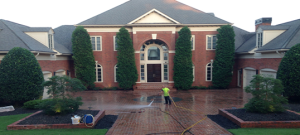
Brick paver cleaning and re-sanding can make a big difference in the appearance and stability of a patio, walkway, or driveway. If your pavers are starting to look worn, have weeds growing between them, or are losing joint material, it may be time to schedule service. Before you do, it helps to understand what the process usually involves and what information you may be asked to have ready in advance.
Knowing a little more before you book can make the process smoother and help you choose the option that makes the most sense for your paver area.
What Brick Paver Cleaning Typically Removes
One of the first things homeowners should know is that cleaning does more than just wash the surface. The process usually removes weeds, moss, and loose material from between the bricks, along with the dirt and buildup that has collected over time. In many cases, the cleaning also opens up the joints by removing whatever material is already giving way.
That is important because brick paver restoration is not just about making the surface look better. It is also about preparing the joints so they can be refilled properly. If sand has started washing out or weeds are pushing through, cleaning helps clear out those problem areas before re-sanding begins.
Re-Sanding Is Part of Restoring Stability
After cleaning, the next step is usually to refill the joints. This matters because the sand between pavers helps keep the surface stable. When that material starts to disappear, the pavers may become more vulnerable to shifting, weed growth, and general wear.
Bricks often need maintenance every few years because weeds or grass can push through, and sand can wash away in the rain. Re-sanding helps restore that support and improve the overall condition of the surface.
Not Every Paver Area Will Clean Out the Same Way
Homeowners should also know that the amount of material removed during cleaning can vary quite a bit. Some areas may open up more than others, while some joints may only lose a small amount. That is normal. The gaps do not always end up identical because the cleaning process removes what is already failing rather than forcing every joint to the same depth or width.
That is one reason older paver maintenance jobs can look different from new construction. A maintenance project is based on the current condition of the surface, not a perfectly uniform installation.
Weed Roots May Need Attention Before Service
If you have a lot of weeds or grass growing between the bricks, it is worth thinking about what is happening below the surface, too. Cleaning removes the tops of weeds and grass, but aggressive root systems underneath the pavers may still be there. If root growth is heavy, it may make sense to treat the area beforehand so the roots are addressed, not just the visible growth on top.
This is something many homeowners do not think about until the weeds start coming back faster than expected.
Be Ready to Estimate the Size of the Area
Another useful thing to know before scheduling service is how paver areas are usually measured. Homeowners are often asked for the approximate square footage when they first call. That helps give a closer initial price and keeps the quoting process moving.
The basic method is simple:
- Measure the length and width of each area
- Multiply those two numbers
- Repeat for each separate section
- Add the totals together
For example, a 15-foot-by-12-foot patio is 180 square feet. If you also have a 25-foot-by-3-foot sidewalk, that adds another 75 square feet, for a total of 255 square feet.
For curved or circular patios, measuring the longest and widest parts can help provide a reasonable estimate.
Know What Problems to Mention When You Call
Before booking, it also helps to think about any specific issues you are seeing. Uneven or sunken bricks, white haze, or glossy finishes can all affect what type of service makes sense.
The more detail you can share up front, the easier it is to determine what kind of cleaning, re-sanding, or additional repair work may be needed.
A Little Preparation Can Make the Process Easier
Scheduling brick paver cleaning and re-sanding is easier when you know what to expect ahead of time. Understanding what the cleaning removes, how the joints are restored, and how to estimate your square footage can help you feel more prepared before you book service.
At Mr. Clean Powerwashing, we provide brick paver cleaning and restoration services for homeowners throughout Michigan. Whether your pavers need cleaning, re-sanding, polymeric sand, sand and seal, or help with uneven sections, call us at (248) 625-3284 to discuss your project and get started.
Leave a Reply
You must be logged in to post a comment.